


Socio-political overview of the Slovenes in Porabje
Among the members of the thirteen officially recognized ethnic groups in Hungary, the Slovenes are the least numerous. According to census data for 2022, there are 3,965 citizens of the Slovenian national community living in Hungary.
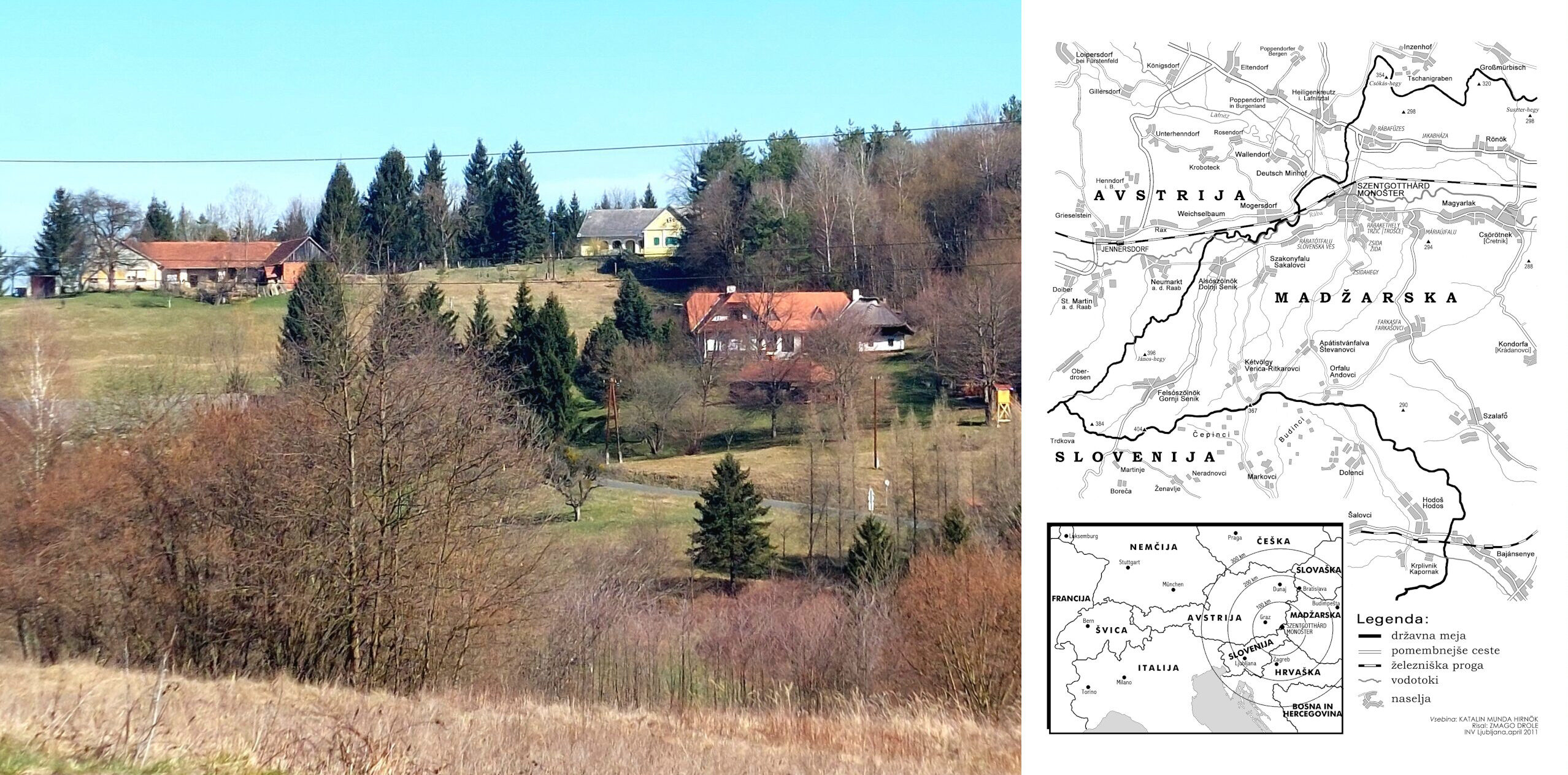
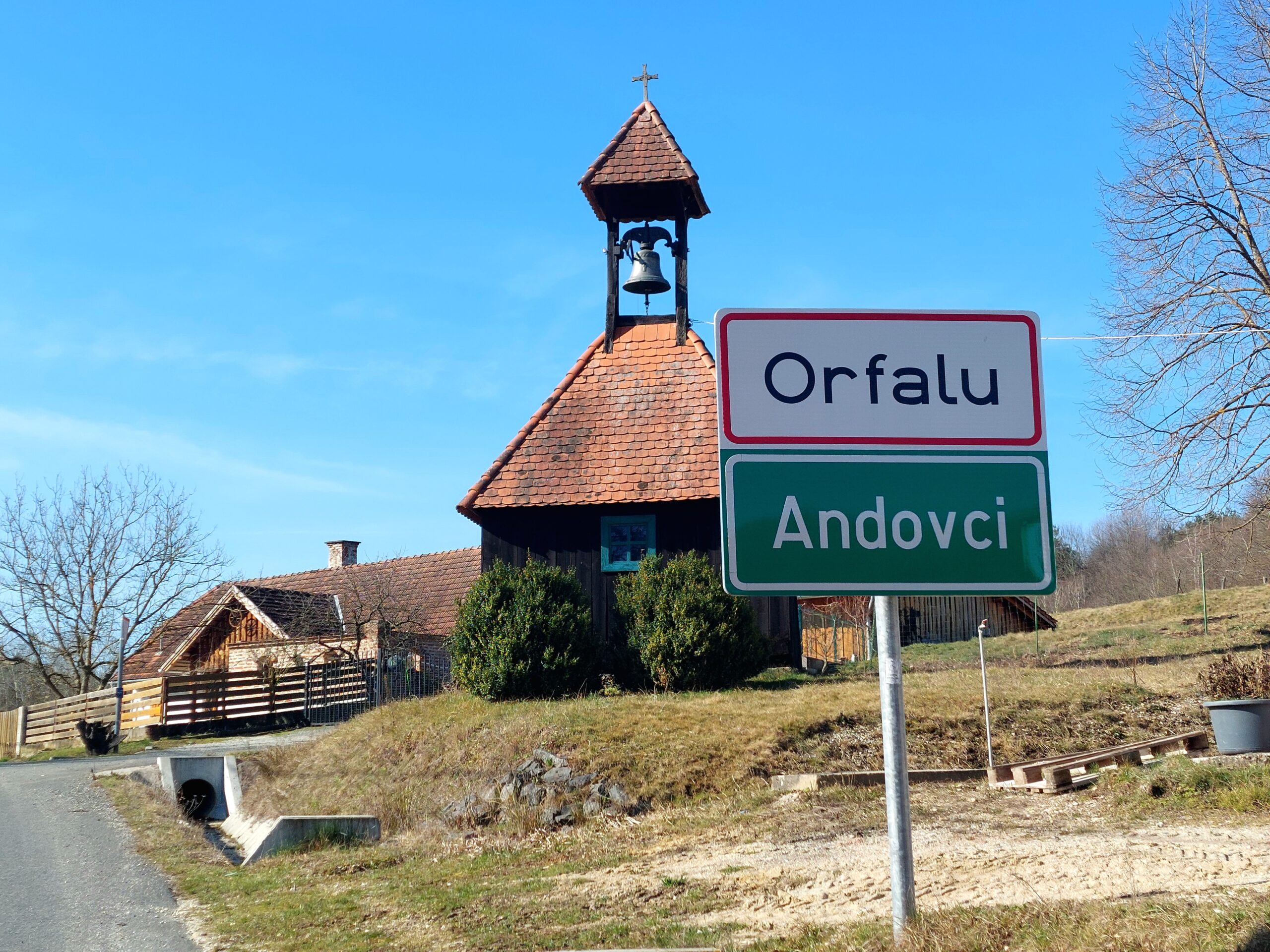
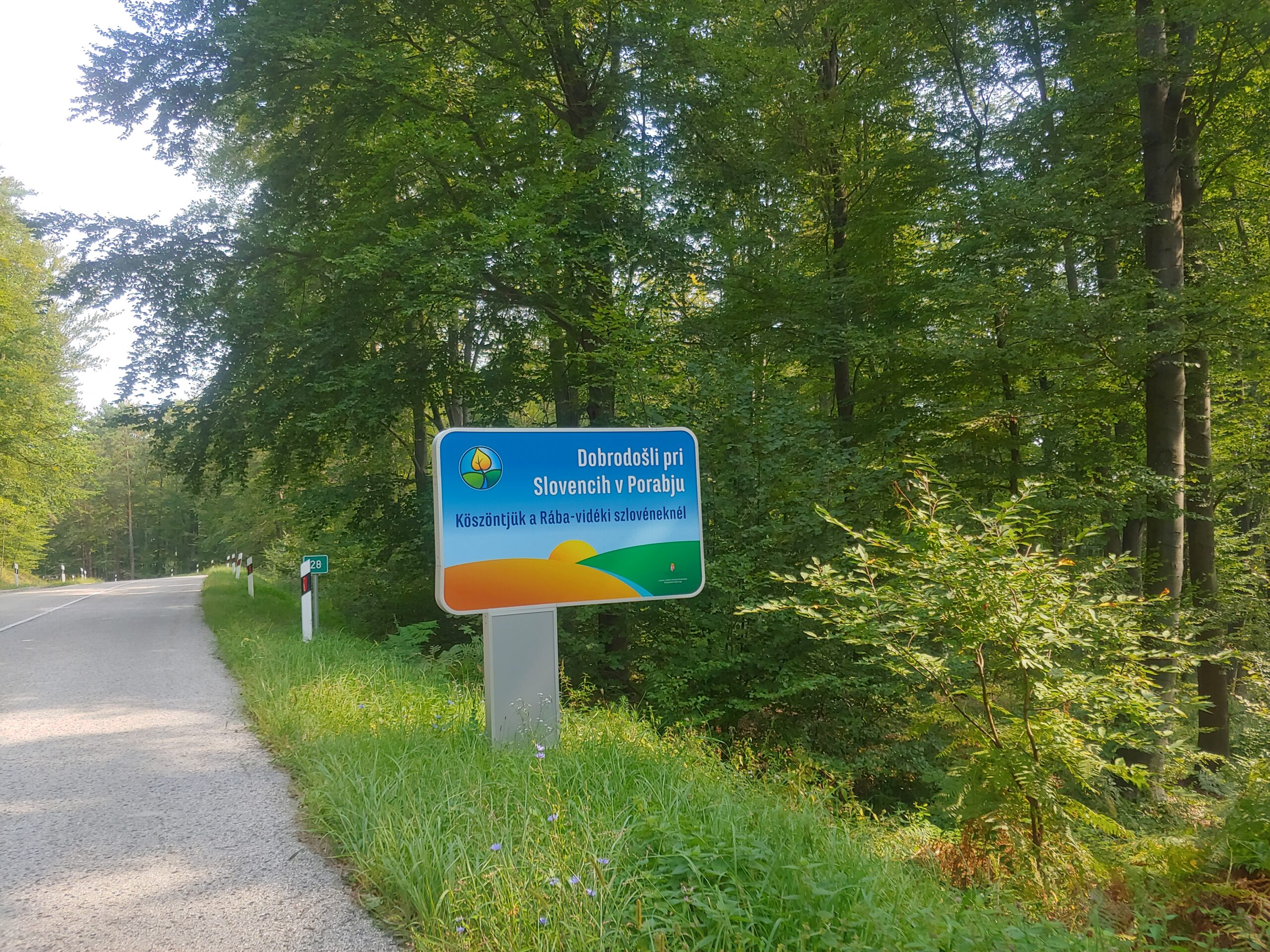
The vast majority of them live in the far west of the country, in the Monošter district of Železna County, or in Slovensko Porabje, an area on the Hungarian-Slovenian-Austrian border. The Slovenes of Porabje live in a 94 km² area, in six local settlements: Andovci (Orfalu), Gornji Senik (Felsőszölnök), Števanovci (Apátistvánfalva) and Verica-Ritkarovci (Kétvölgy) in the hilly part, and Dolnji Senik (Alsószölnök), Sakalovci (Szakonyfalu) and Slovenska ves (Rábatótfalu[2] in the flat part. Monošter (Szentgotthárd) is also located on the plain and is the regional, administrative, economic, and educational center of the Slovenian Porabje region.
The Slovenes of Porabje also live in larger cities such as Szombathely, Mosonmagyaróvár, and Budapest, and are scattered throughout the country. They moved to these places at different times (especially in the second half of the 20th century) for political, economic, and other reasons.
The inhabitants of what is now Prekmurje and Porabje shared a common fate in the Hungarian part of the Austro-Hungarian monarchy until the end of World War I. After the signing of the Treaty of Trianon, nine villages with a predominantly Slovenian population in the vicinity of Monošter remained part of Hungary, while other settlements in the Slovenian region (now Prekmurje) were annexed to the Kingdom of Serbs, Croats, and Slovenes. Eight villages, which were also historically predominantly Slovenian, were assigned to Austria. [4] The demarcation broke up the unity of the Slovene region and marked the beginning of the separate historical, cultural, and ethnic development of Prekmurje and Porabje.
The temporary borders of Hungary after World War II were determined by the armistice concluded in Moscow on January 20, 1945, with the border lines corresponding to the situation on December 31, 1937. The agreement between the Allies and the Hungarian government secured Hungary’s old Trianon border, which was finally enshrined in the Paris Peace Treaty on February 10, 1947. After its signing, Hungary’s relations with its neighbors improved, particularly with Yugoslavia, with which it signed a Treaty of Friendship, Cooperation, and Mutual Assistance that same year. In 1947, the Democratic Union of Southern Slavs was established, which represented the cultural and political interests of Serbs, Croats, and Slovenes in Hungary until 1990. [5] Just one year later, however, the Cominform resolution severed all ties between Yugoslavia and the Eastern Bloc countries, including Hungary. Hungary began a campaign against Yugoslavia, followed by military incidents and provocations on the border. The result of all this was the erection of barbed wire, the so-called Iron Curtain, with which Hungary strictly separated itself from both Yugoslavia and Austria. [6] With the erection of the Iron Curtain, Porabje became a completely isolated area. The border area was strictly controlled, the Slovenian community faced numerous pressures and restrictions, and dozens of Porabje families were deported to forced labor camps in Hortobágy. [7] Political relations between Yugoslavia and Hungary began to improve after 1956, when János Kádár came to power.
The situation of the Slovenes in Porabje improved in the 1970s and 1980s in line with changes in Hungarian society and Hungarian party politics. This was followed by the establishment and development of bilateral contacts between Yugoslavia (Slovenia) and Hungary in various fields. During this period, several laws were passed defining the use of minority languages, but it was not until the 1972 constitutional amendment that the minority was granted at least formal protection.
The new socio-political situation in Hungary after 1990 brought positive changes in the area of legal protection of minorities. Minorities were defined in the Hungarian legal system by the 1993 Act on the Rights of National and Ethnic Minorities.[8] The status of nationalities was newly regulated by the 2011 Constitutional Act on the Rights of Nationalities. [9] In the field of minority protection, the bilateral Agreement on the Special Rights of the Slovenian National Minority in the Republic of Hungary and the Hungarian National Community in the Republic of Slovenia is important. [10] As already mentioned, the provision on the protection of minorities was included in the amended constitution of 1972 and retained after the constitutional amendment of 1989. In 2011, Hungary adopted a new constitution (Magyarország Alaptörvénye)[11], in which minorities are mentioned indirectly in the preamble, which states that they are recognized as part of the state and the political community. The article on language stipulates that the state protects the Hungarian language, but also respects other languages. An important difference between the new and the previous constitution is that the new constitution no longer uses the term “minorities,” but refers to “nationalities” instead.
Organization of the Slovenes in Porabje
Political organization
In Hungary, it was only after the change of the political system in 1990 that conditions and opportunities for social and political participation of the Slovenian national community were created.
The adoption of the Act on the Rights of National and Ethnic Minorities in Hungary (1993) enabled the establishment of minority self-governments in Slovenian settlements and also outside Porabje (since 1994) and the State Slovenian Self-Government (1995) with its seat in Gornji Senik (current president Karel Holec).
The State Slovenian Self-Government (DSS) as an administrative and political entity regulates all important areas of minority life, from political participation to the economy, education, culture, cross-border cooperation, and other areas.
In the local elections on June 9, 2024, 11 Slovenian national self-governments were elected in Gornji Senik, Števanovci, Sakalovci, Monoštru, Verica-Ritkarovci, Andovci, Dolnji Senik, Sombotel, Mosonmagyaróvár, Čretnik (Csörötnek) and Renik (Rönök).
Based on the National Minority Rights Act (2011), since 2014, national minorities in Hungary have had the right to elect their own representative to the Hungarian Parliament. Representatives are members of parliament and can establish committees of representatives, whose issues are then discussed by parliament, but they do not have voting rights. In 2022, Slovenians in Hungary elected Erika Köleš Kiss as their advocate in the Hungarian Parliament, who is now serving her third term in this role. Nationalities in Hungary can also elect a full member of parliament with a certain number of votes, but Slovenians in Hungary cannot achieve this.
Cultural organization
In 1990, dissatisfied with the functioning of the Democratic Union of Southern Slavs, Slovenians in Hungary left the joint organization and on October 27, 1990, established their own independent organization, the Union of Slovenians in Hungary (ZSM) (current president Andrea Kovács).
The Union of Slovenes in Hungary operates as a civil organization in the fields of culture, media, and economics. The primary objectives of the ZSM are: to preserve the Slovenian community in Porabje, its culture and mother tongue, to preserve national consciousness, and to implement the special rights of the Slovenian national community in Hungary.
Since 1991, the magazine Porabje has been operating under the auspices of the ZSM, and since 2006, the Slovenian Countryside Development Agency has also been operating. The ZSM is the founder of the Slovenian Cultural and Information Center, which was opened in 1998.
Today, eight cultural groups operate within the framework of the ZSM: the ZSM Gornji Senik Folklore Group, the ZSM Sakalovci Folklore Group; the Avgust Pavel ZSM Gornji Senik mixed choir; the ZSM Monošter chamber choir; the Sombotelske spominčice singing group from Sombotel; the ZSM Števanovci church choir; the Porabski trio ZSM and the Seniške senice ZSM singing group.
In the villages of Porabje and also outside the indigenous settlement, in towns where the Slovenian minority lives, there are also numerous independent associations active in the fields of culture, youth, pensioners, sports, and others. They also cooperate with umbrella organizations (ZSM and DSS), Slovenian national self-governments, etc.
These are: the Association of Slovenian Pensioners in Porabje (1996); the Association of Youth in Porabje (2014); the Porabje Cultural and Tourist Association Andovci (2008); Association of Slovenians in Budapest (1990); Slovenian Cultural Association Avgust Pavel (1999) in Sombotel; Sports Association Srebrni breg (1997) in Gornji Senik; Sports Association Slovenska ves (1935); Football Club Sakalovci (2008); Dolnji Senik Sports and Tourism Association (1958), Porabska Mountain Section of the Slovenian Mountaineering Association (established in 2017 in Andovci); Dolnji Senik Volunteer Fire Department (1886), Gornji Senik Volunteer Fire Department (independent since 1992); Sakalovci Volunteer Fire Department (1894).
Some villages in Porabje also have associations that care for the cleanliness of the environment and organize programs aimed at preserving folk traditions.
These are: Association for a More Beautiful Village Števanovci (1998); Association for the Village Verica-Ritkarovci (2011), Association for a More Beautiful Village Sakalovci (2015); Association for a More Beautiful Village Dolnji Senik (2014).
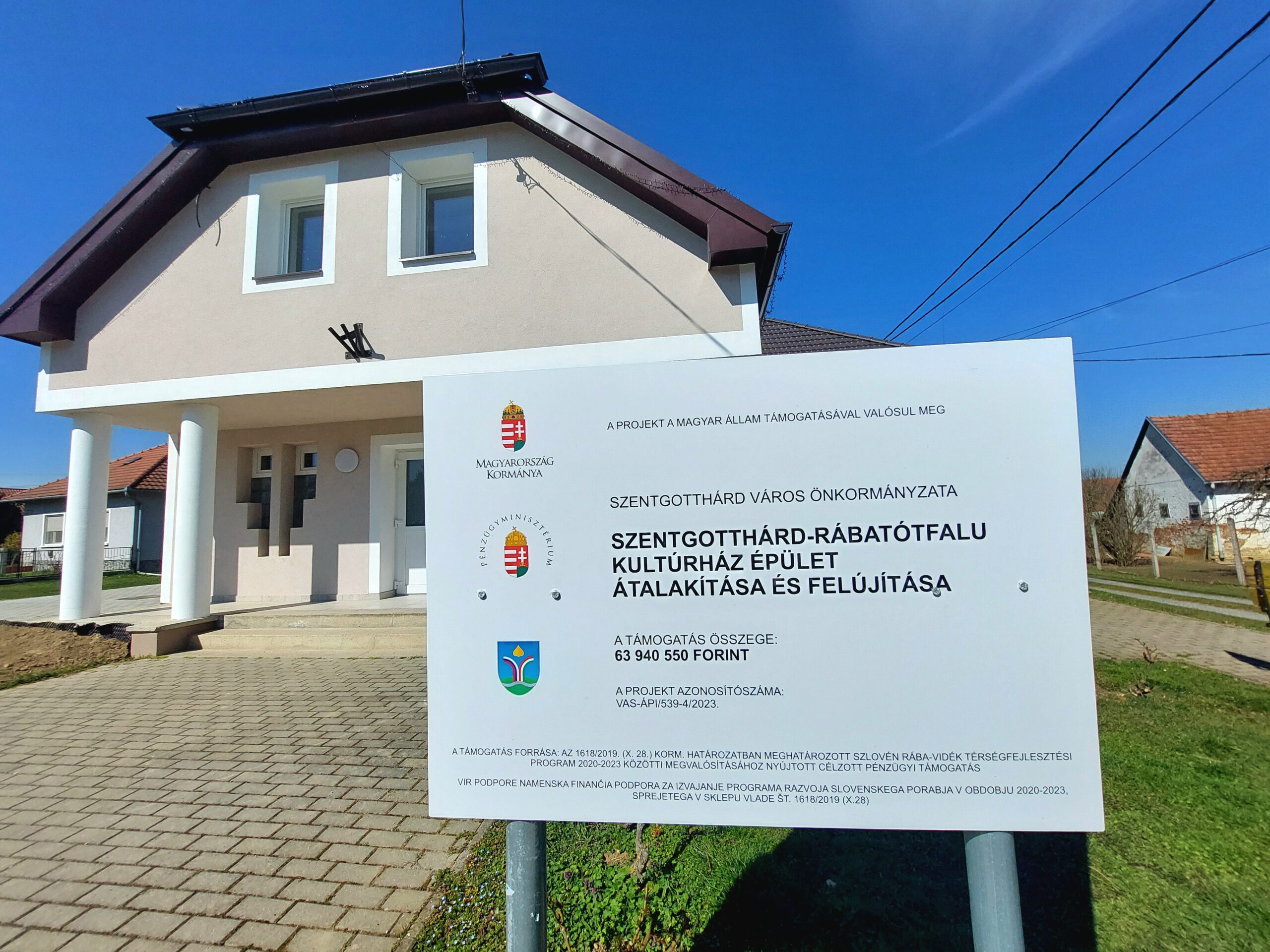
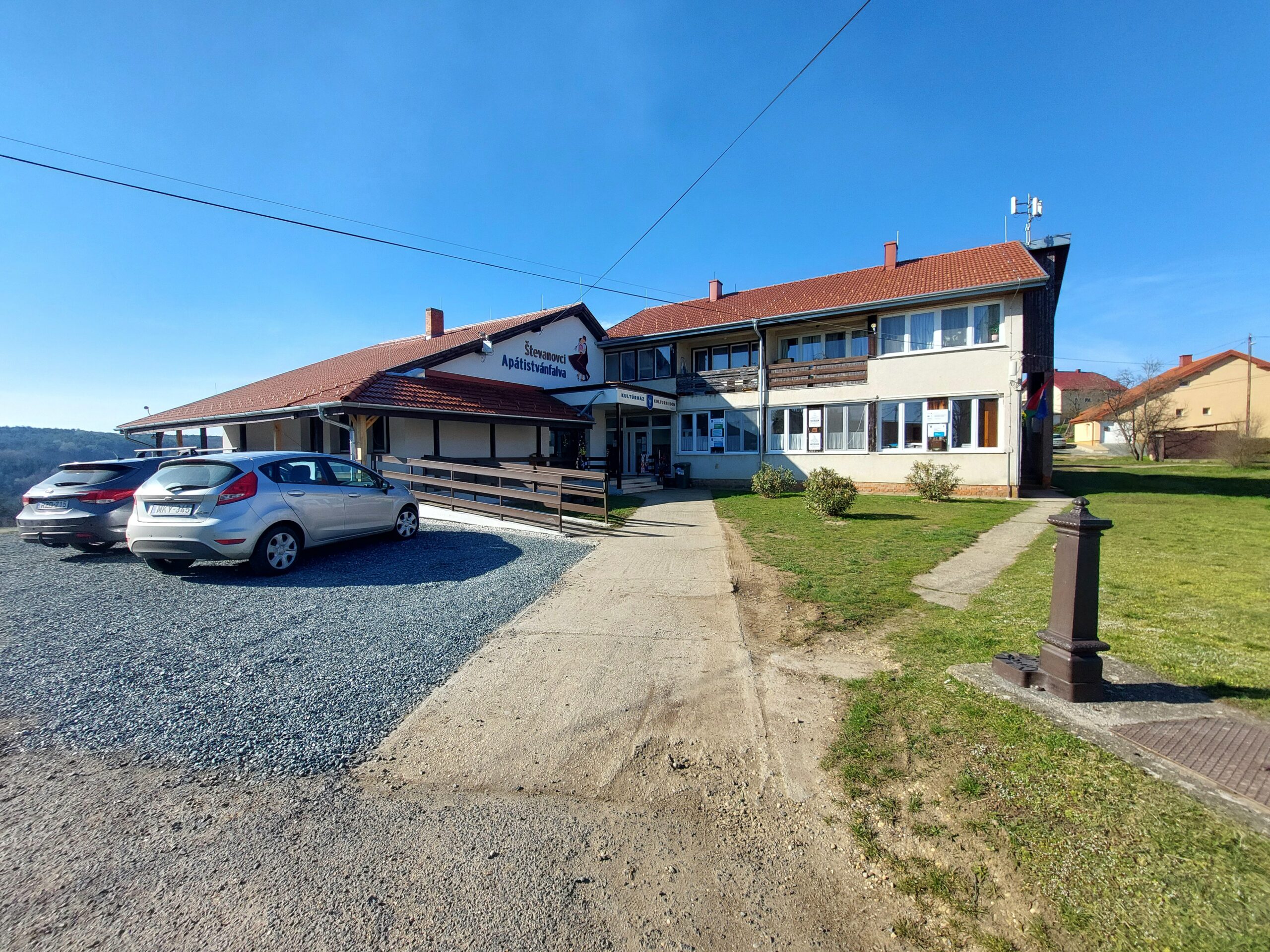
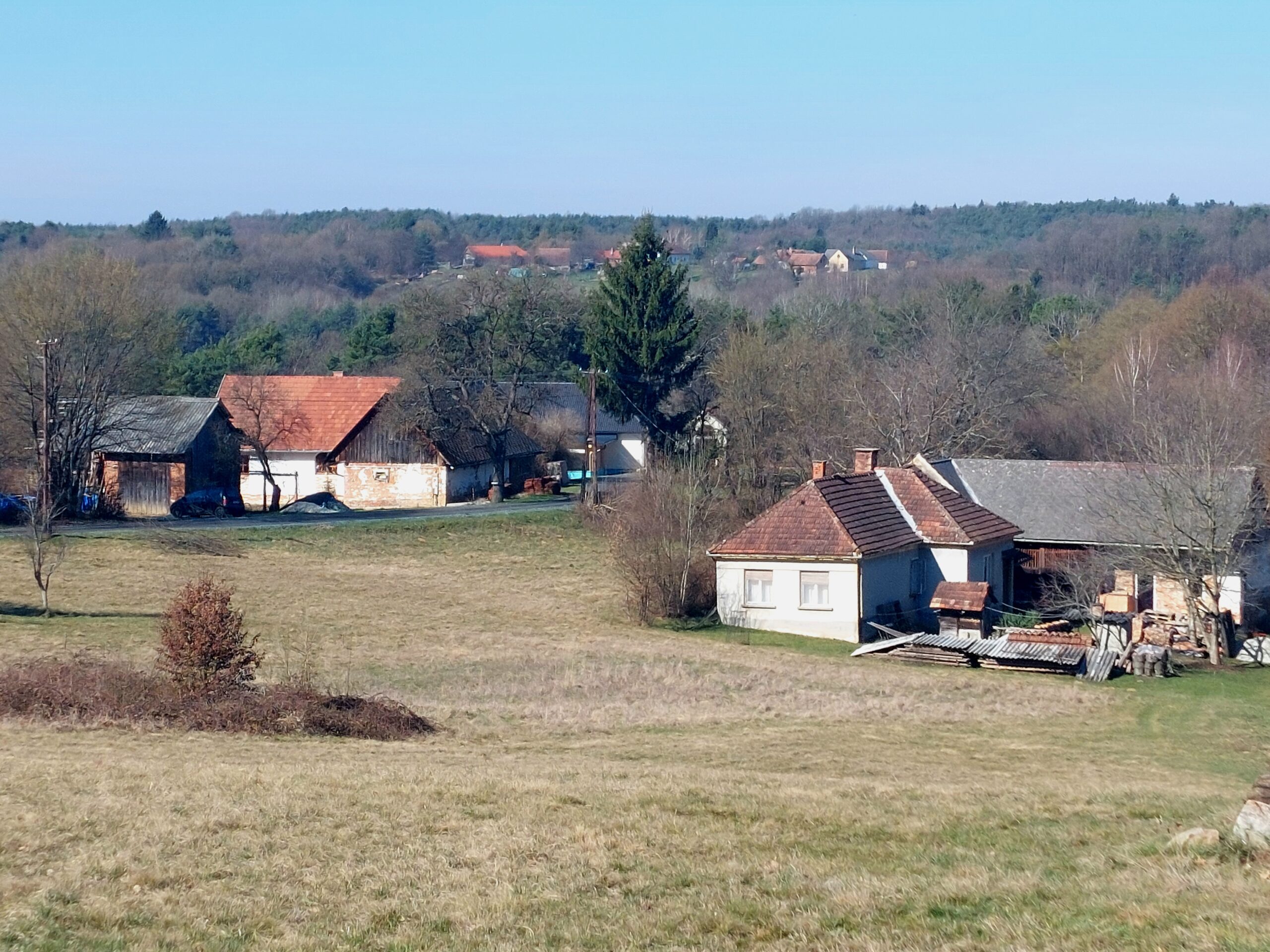
The Slovenian language in the education system
Slovenian language instruction is present in various forms throughout the entire education system.
Slovenian language learning is present in the Slovenian Porabje region from preschool to secondary school, while university studies take place in the county center of Szombathely (Hungarian: Szombathely) and in Budapest. Since 1973, students from Porabje have also had the opportunity to study in Slovenia.
Kindergartens
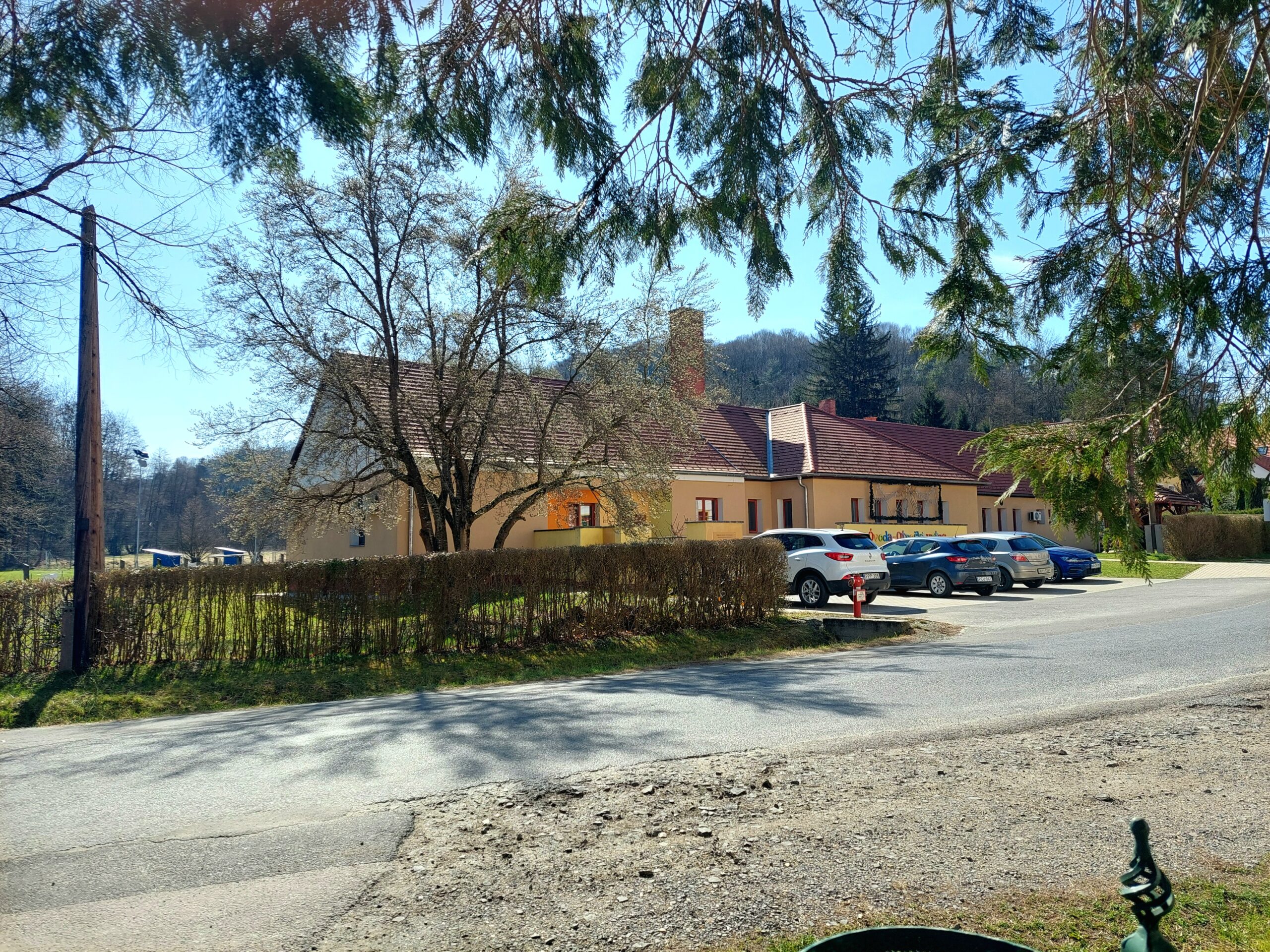
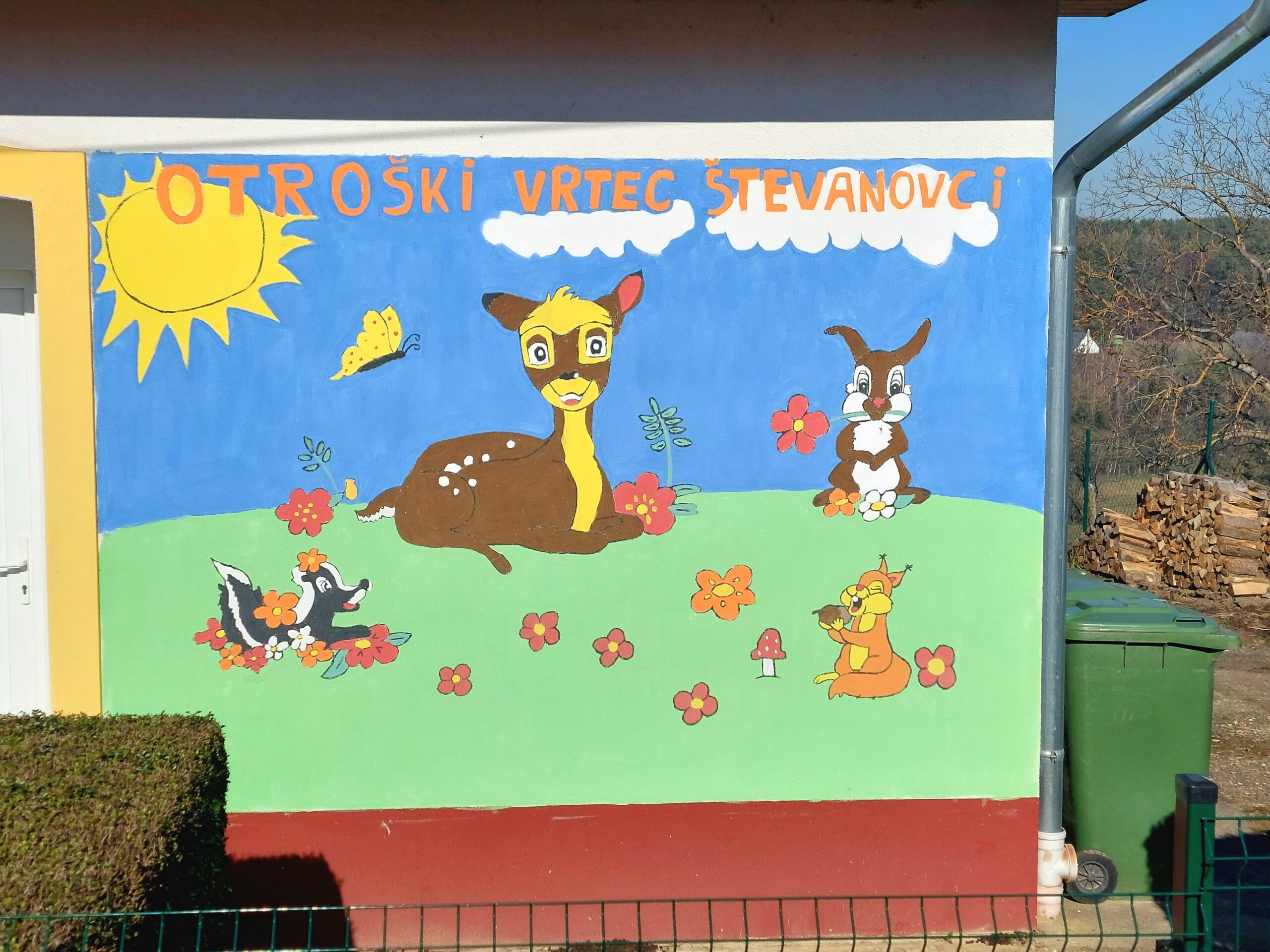
There are four kindergartens in Porabje that offer a bilingual program, namely the kindergartens in Gornji Senik, Sakalovci, Števanovci, and Monošter. Teachers and assistants sent by the Slovenian Ministry of Education and Sport make an important contribution to the successful implementation of the bilingual program in kindergartens. In the 2023/2024 school year, 14 children attended the kindergarten in Gornji Senik, 22 in Sakalovci, 20 in Števanovci, and 21 children attended the Slovenian group Zvezdice in Monošter.
Primary schools
Eight-year primary education in Porabje takes place at two bilingual primary schools, namely in Gornji Senik and Števanovci. The bilingual education model in these schools includes teaching in both Hungarian and Slovenian. Pupils have five hours of Slovenian as a national language and one hour of Slovenian culture (slovenstvo – Hungarian: szlovén népismeret) per week. According to the bilingual program, half of the lessons should be conducted in Slovenian, but this depends on the availability of appropriate staff.
In the 2024/2025 school year, 61 pupils attended the Jožef Košič Bilingual Primary School and 42 pupils attended the Števanovci Bilingual Primary School.
Slovenian is also taught as a national language at the János Arany Primary School in Monošter and at the St. Gotthard Primary School and Gymnasium in Monošter. In the 2024/2025 school year, 9 pupils were enrolled at the János Arany Primary School and 11 pupils at the St. Gotard Primary School and Gymnasium.
Secondary schools
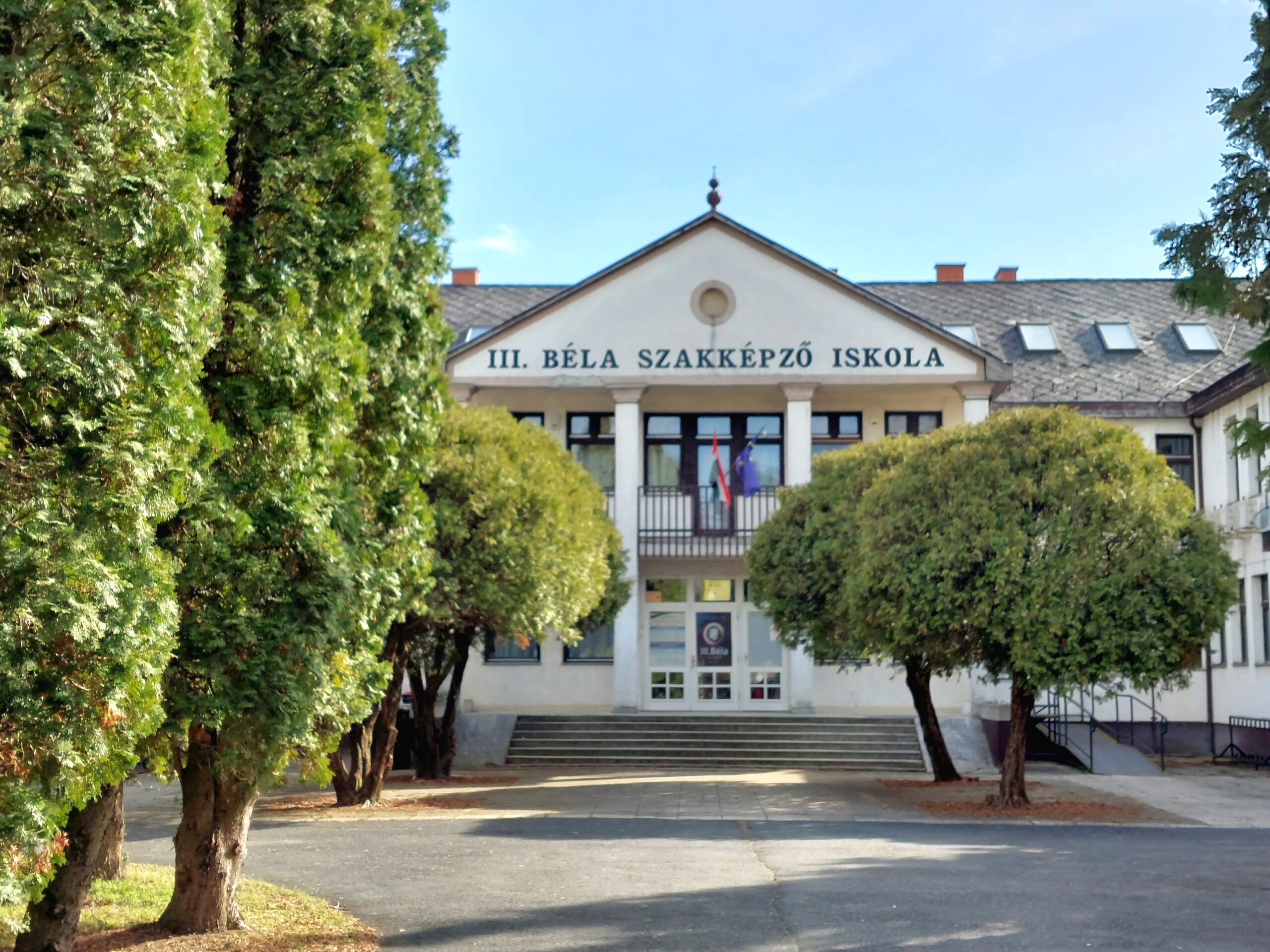
At the secondary school level, Slovenian is taught at the St. Gotthard Primary School and Gymnasium and at the Béla III Secondary Vocational School in Monošter. At the St. Gotthard Gymnasium, students have the opportunity to learn Slovenian as a national and foreign language. In the 2024/2025 school year, there were 8 students enrolled.
At the Béla III Secondary Vocational School, Slovenian is taught as a national language, and two students were enrolled in the program in the 2024/22025 school year.
At both secondary schools, students have the opportunity to take the Slovenian language matriculation exam at the secondary and higher levels.
University studies
The Department of Slovenian Language and Literature in Szombathely was established in the 1980/1981 academic year on the initiative of Dr. Károly Gadányi as part of the then Dániel Berzsenyi Pedagogical Center. Since 2017, the University Center has become part of the Loránd Eötvös University (ELTE SEK) in Budapest. ELTE SEK in Szombathely offers similar study programs as ELTE in Budapest. There is no master’s degree program in Slovenian studies in Szombathely.
In Budapest, the Institute of Slavic and Baltic Philology at the Faculty of Philosophy of Eötvös Loránd University (ELTE) has been offering Slovenian studies at the first and second levels of the Bologna program since the 2006/2007 academic year. They also offer doctoral studies.
Media
The Slovenian community in Hungary has three minority media outlets that publish in Slovenian (in the Porabje dialect and in standard Slovenian).
Porabje magazine
Porabje magazine is the only Slovenian magazine that provides information to the Slovenian community in Hungary in Slovenian. It has been published since 1991 by the Association of Slovenes in Hungary. From its inception until 2005, the magazine was published every other week, initially with six pages, then with eight pages from the 20th issue of the first year, and since July 2005 as a weekly. The turning point came in 2017, when the magazine began to be published with twelve pages. The magazine has a circulation of 650 copies. The magazine uses standard Slovenian and the Porabje dialect. The magazine mainly reports on local events and current political developments in Hungary and Slovenia. It reports on events related to the ethnic issues of the Porabje Slovenes and other places where they live in large numbers. Since 2020, the magazine has been publishing a children’s supplement, Mlado Porabje, which is published four times a year.
Radio Monošter
Radio Monošter began broadcasting on June 23, 2000. The Slovenian radio station was founded in 1997 by the Slovenian National Self-Governing Community, the Association of Slovenes in Hungary, and the Slovenian Minority Self-Governing Community of Monošter-Slovenska ves. It operates on two frequencies: Monošter 106.6 MHz and Gornji Senik 97.7 MHz (since 2007). Initially, it broadcast 8 hours a week, but since January 1, 2012, the program has been expanded to 28 hours (every day between 12 noon and 4 p.m.). Due to the linguistic situation in Porabje, the radio station mainly uses the Porabje dialect and less standard Slovenian. The radio programs are diverse, covering culture, history, language, etc. They also broadcast reports, mainly about older people talking about life in the past. Listeners can also listen to the radio live online.
TV program Slovenski utrinki
TV program Slovenski utrinki is a Hungarian public television program for the Slovenian minority, which has been on the air since 1992. The programs last 26 minutes and are broadcast every other Thursday on the DUNA TV channel and on the same day in the afternoon on the DUNA World channel. Radiotelevizija Slovenija broadcasts reruns of this program every other Thursday on TV Slovenija 1 and on Sundays on TV Slovenija 3. Both varieties of the Slovenian language are used in the programs, the Porabje dialect and standard Slovenian. The programs, which are informative in nature, mainly cover events in Porabje, but also in other areas where Slovenians live.
Sources
[1] Med uradno priznane narodnosti spadajo: bolgarska, romska, grška, hrvaška, poljska, nemška, armenska, romunska, rusinska, srbska, slovaška, slovenska in ukrajinska.
[2] Slovenska ves je bila leta 1983 priključena k Monoštru.
[3] Več o tem glej Kovács, A., 2007. Številčni razvoj Slovencev v Sombotelu, Budimpešti in Mosonmagyaróváru v luči statističnih podatkov. Etnologija Slovencev na Madžarskem 5, 41−56;
Munda Hirnök, K., 2010. Migrációs folyamatok a Rába-vidéki szlovének körében a 20. század második felében. V: Kupa, L. (ur.) Vándorló kisebbségek, Etnikai migrációs folyamatok Közép-Európában történeti és jelenkori metszetben: tanulmányok. PTE és Bookmaster Kft., Pécs, 138−146.
[4] Maučec, J. in Vilko N., 1945. Slovensko Porabje. Slovenski knjižni zavod OF, Ljubljana, 11.
[5] O delovanju zveze glej Nemeth, J., 1985. Oris razvoja Demokratične fronte južnih Slovanov na Madžarskem. Kronika 33, št. 1, 54-58; Munda Hirnök, K., Vodopivec, P., 2016. Slovenci v Porabju. V: Štih, P., Simoniti, V., Vodopivec, P. (ur.), Slovenska zgodovina: od prazgodovinskih kultur do začetka 21. stoletja, 1. izdaja. Modrijan, Ljubljana, 837.
[6] Hardi T. in Nárai, M., 2001. A határ menti területek jellegzetességének átalakulása a 20. század végi Nyugat-Magyarországon. Tér és Társadalom 15 (2): 108−109.
[7] Munda Hirnök, K., 2013. Represija nad Slovenci v Porabju v času Rákosijevega režima (1948-1956). Prispevki za novejšo zgodovino 53 (1): 201−2012.
[8] 1999. évi LXXVII. törvény a nemzeti és etnikai kisebbségek jogairól [Zakon št. LXXVII. iz leta 1993 o pravicah narodnih in etničnih manjšin]. Nemzeti Jogszabálytár, https://njt.hu/jogszabaly/1993-77-00-00 (dostop 24. 7. 2025)
[9] 2011. évi XCVII. törvény a nemzetiségek jogairól [Zakon št. XCVII. Iz leta 2011 o pravicah narodnosti], https://net.jogtar.hu/jogszabaly?docid=a1100179.tv# (dostop 24. 7. 2025).
[10] Glej Zakon o ratifikaciji Sporazuma o zagotavljanju posebnih pravic slovenske narodne manjšine v Republiki Madžarski in madžarske narodne skupnosti v Republiki Sloveniji. Uradni list RS – Mednarodne pogodbe, št. 6/93.
[11] Magyarország Alaptörvénye (2011. április 25.) [Ustava z dne 25. aprila 2011], https://net.jogtar.hu/jogszabaly?docid=a1100425.atv (dostop 24. 7. 2025).
– https://porabje.com/sl/ohranjanje-dediscine/#civilne-organizacije
– Munda Hirnök, K., Novak-Lukanovič, S., 2018. Družbena participacija mladih v slovenskem zamejstvu na Madžarskem. V: Jagodic, D. (ur.). Družbena participacija mladih v slovenskem zamejstvu. Inštitut za narodnostna vprašanja, Ljubljana; Slovenski znanstveni inštitut, Slovenski narodopisni inštitut Urban Jarnik, Celovec; Slovenski raziskovalni inštitut, Trst, 151-154.
– Munda Hirnök, K., 2023. Položaj in perspektive slovenskih manjšinskih medijev na Madžarskem. V S. Novak-Lukanović & B. Riman (ur.). Raznolikost v raziskovanju etničnosti : izbrani pogledi III. Inštitut za narodnostna vprašanja, Ljubljana, 237−268.
Available content

